

Wildfire Smoke
If the Sun Should Become Tired

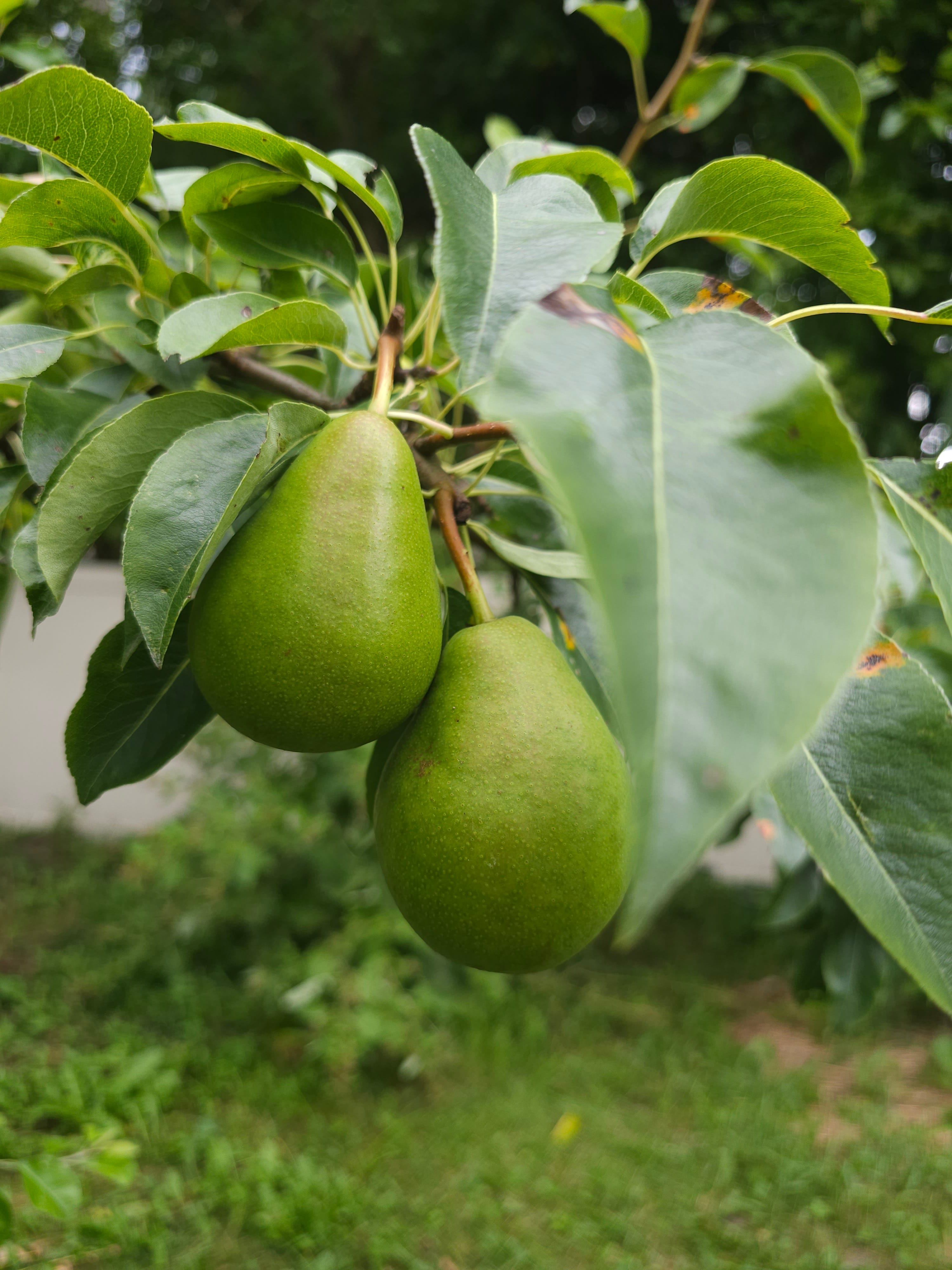
During the entire season, the Sun arose each morning as though in a cloud of smoke, red and rayless, shedding little light or warmth and setting at night as behind a thick cloud of vapor, leaving hardly a trace of its having passed over the face of the Earth.
--Unknown English vicar, 1816

What would happen if the Sun should become tired of illuminating this gloomy planet?
–North American Review, 1816
The Year Without a Summer
Not To be dramatic, I am woozy, with aching head and affected lungs, from the haze of particulate that comes to us from the Canadian wildfires. The temperature is finally mild, but going outside carries health risks. The garden is technically in sun, but the light quality is dimmed and eerie. The Air Quality Index here is in the red “unhealthy” category.
The earthquake in Kamchatka 2 days ago, with the resultant tsunami warnings, have me in a disaster state of mind. I just finished reading Jane and the Year Without a Summer, a murder mystery entwined with historical events and biographical elements from Jane Austen’s life. It’s part of a series, but can be read as a stand-alone story. It takes place in the spring of 1816, during which the climate in England and many other countries is going through a volcanic winter. There was a string of volcanic eruptions beginning in 1812, and ending in April 1815 with Mount Tambora in Indonesia. Tambora’s eruption remains the largest in recorded history. It buried a city of 10,000 occupants, making their language extinct and the ruins of their princedom still largely unreachable under depths of pumice and ash. The Tamborese who perished had been known for their skills in farming and beekeeping, in addition to being fierce warriors.
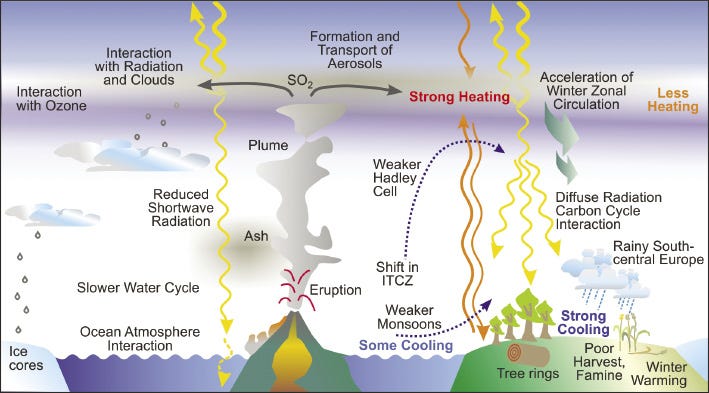
The sulfuric ash and other particulates from Mt. Tambora spread across the globe via the jet stream and upward into the stratosphere, where they blocked the sun’s light and reflected back its warmth before it could reach the earth. The effects on climate & crops lasted for well over a year, and influenced world events with far longer impact. The eastern U.S., Canada, most of western Europe, and large areas of Asia saw snow, frost, and chill temperatures throughout the summer of 1816. The harvest that year was minimal, the price of grain exorbitant; shipping lanes were frozen over. Famine and bread riots were the unsurprising result, coming on the heals of the Napoleonic Wars in Europe. The failure of farms in New England contributed to the westward movement of settlers. The slowed arrival of monsoons to China and India contributed to drought and a cholera epidemic.
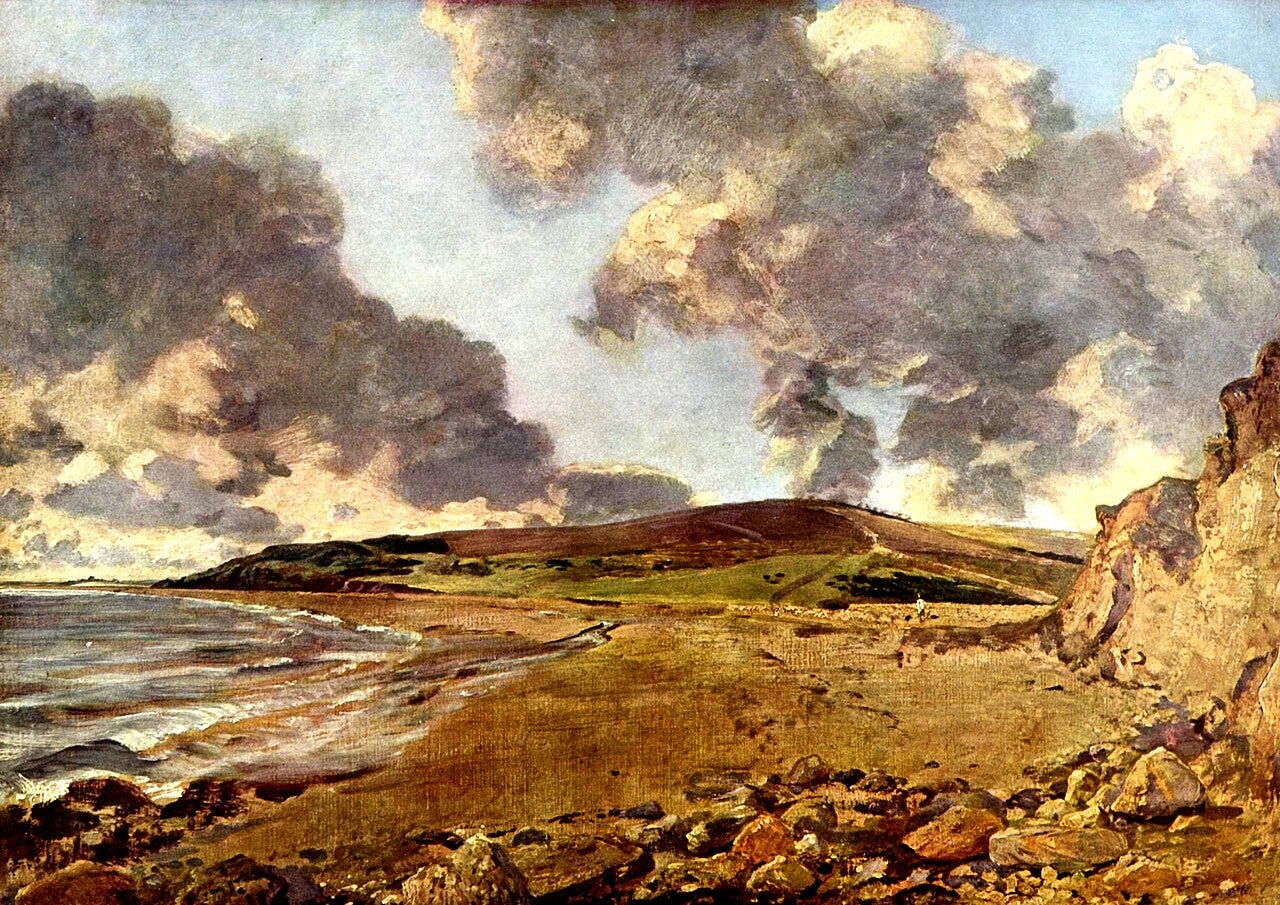
Researchers have used paintings from this period to understand the changes in climate, in an interesting pairing of science and art. Landscapes of the years corresponding to the volcanic eruptions show an increased use of red oil paints for the skies, as well as generally cloudier views. Mary Shelley’s Frankenstein was written whilst the author was stuck inside during an unseasonably dark and rainy June holiday in Switzerland. Had she been able to bask in the bright sun on the shores of Lake Geneva, a whole literary genre might’ve had to wait to be born.
On the Bright Side
Here are some photos to accentuate the positive.


So while I’m just as frustrated with the smoky air as I was when I wrote about it here, I am grateful that the AQI goes down a bit after the sun sets. And that I’m not living in the shadow of an active volcano in 1815.
How are you on this doorstep of August? Feel free to sound off in the comments about your own experiences with wildfires, air pollution, earthquakes & other natural disasters. Had you heard of the year without summer before?
— Erin, in Michigan
References
https://www.almanac.com/year-without-summer-mount-tambora-volcanic-eruption
https://www.forbes5.pitt.edu/article/romantic-year-without-summer#endnt1
https://www.science.smith.edu/climatelit/the-eruption-of-mount-tambora-1815-1818/
https://pastglobalchanges.org/publications/pages-magazines/pages-magazine/7175
Yes, apocalyptic for sure. And having to close the windows does make me angry. I'm sorry you have so much experience with this, though I appreciate the advice and wisdom you have to give from it. And now you fight the fires, too- I'm in awe.
I have spent too many summers in that eerie glow, lungs aching, working in the smoky garden wearing an N95 and it's something that I would never wish on anyone. Feels very apocalyptic. Over they years we bought portable, very efficient air purifiers for every room. We learned ways to close ourselves in and feel okay, letting go of the open window in the evening summer breeze dreams and trading it in for cool canned air to feel safe. The effects can be cumulative, asthma can develop, lack of energy, feelings of panic and sorrow. Take care of yourselves and I hope the clean air comes soon.